

- Introduction to Baby Names
- Most Popular British Names Overview
- Top British Girls’ Names
- Top British Boys’ Names
- Cultural Influences on British Names
- Historical British Name Trends
- Modern British Naming Patterns
- Family Ties and Naming Traditions
- Naming Conventions in Britain
- Choosing the Perfect British Name
- Naming Resources
- Baby Name Finder Tool
- Conclusion
In a historic shift that reflects modern Britain’s multicultural landscape, Muhammad has overtaken Noah as the most popular boys’ name in England and Wales for the first time in 2024. Meanwhile, Olivia continues her remarkable reign as the top choice for baby girls, marking an impressive ninth consecutive year at the summit. These trends highlight the UK’s most popular names for 2024 and reveal fascinating insights into how British culture, heritage, and contemporary influences shape the names parents choose for their children.
The diversity of popular British names has never been greater, with over 36,000 unique girls’ names and nearly 31,000 boys’ names registered in 2024 alone. Across the different countries of the UK—England, Wales, Scotland, and Northern Ireland—there are notable variations in naming trends, reflecting regional preferences and cultural influences. This remarkable variety demonstrates how modern parents seek to balance tradition with individuality, creating a rich tapestry of naming choices that reflect both Britain’s historical roots and its evolving cultural identity.
Whether you’re expecting your first child or exploring British culture through its naming traditions, understanding current trends can provide valuable insights into the country’s social fabric and help guide your own naming decisions. For further insights and detailed data, a recent article offers an in-depth look at British baby names and their popularity across the UK.
Introduction to Baby Names
Choosing a baby name is one of the most meaningful decisions parents make, as it becomes a central part of a child’s identity for life. In England and Wales, the popularity of baby names shifts from year to year, reflecting changes in British culture, the influence of the royal family, and the impact of popular culture. For example, names like Olivia have consistently topped the list of most popular baby names for girls, while Muhammad has recently become a leading choice for boys. These trends highlight how factors such as tradition, media, and cultural heritage shape naming preferences across the UK. Parents often turn to baby name lists and tables to explore the most popular names and discover new favorites, ensuring their choice resonates with both family values and contemporary trends. Whether inspired by classic British names or modern influences, the process of naming a baby in England and Wales is a fascinating reflection of the country’s evolving identity.
Most Popular British Names Overview
The latest data from the UK’s Office for National Statistics reveals compelling patterns in how British families name their babies. While Olivia maintains her dominant position among popular girls’ names, the boys’ rankings have seen significant movement that reflects the changing demographics of england and wales.
Traditional British names like Oliver, George, and Charlotte continue to rank highly, demonstrating the enduring appeal of classic choices. However, the rise of Muhammad to the top position for boys represents a watershed moment, illustrating how Britain’s multicultural heritage now shapes even the most fundamental aspects of family life.
Regional variations add another layer of complexity to naming trends. What proves popular in London’s diverse boroughs may differ significantly from preferences in rural Wales or Scotland. These geographical differences often reflect local cultural influences, historical connections, and demographic patterns that have developed over recent years.
Parents often turn to baby name lists and tables to explore the most popular names and discover new favorites, ensuring their choice resonates with both family values and contemporary trends. Table 1, for example, compares the top 100 Welsh baby names with those in England, highlighting both differences and similarities in naming trends across regions.
The sheer volume of unique names registered annually—over 65,000 combined for both sexes—indicates that while certain names dominate the rankings, British parents increasingly value individuality in their choices.
Top British Girls’ Names
Leading Choices and Classic Favorites
Olivia’s continued dominance among popular baby names reflects its perfect balance of modern appeal and timeless elegance. Following closely behind, Amelia and Isla represent the blend of traditional British sensibilities with contemporary sound preferences that characterize today’s naming landscape.
The enduring popularity of names like Lily, Ava, and Charlotte showcases how certain choices transcend temporary trends. Different spellings of these names, such as Lillie or Charlette, also contribute to their high rankings and overall prevalence. Charlotte, in particular, benefits from its strong connections to the royal family, while Lily appeals to parents drawn to nature-inspired names that feel both fresh and familiar.
Rank | Name | Cultural Connection |
|---|---|---|
1 | Olivia | Latin origin, literary heritage |
2 | Amelia | Royal history, aviation pioneer |
3 | Isla | Scottish heritage, natural beauty |
4 | Lily | Nature-inspired, biblical symbolism |
5 | Charlotte | Royal family, literary character |
Literary and Cultural Influences
The influence of British culture on naming choices extends far beyond simple popularity rankings. Names inspired by Jane Austen characters—Emma, Elizabeth, and of course, Charlotte—continue to captivate parents who value literary heritage. The fair influence and presence of Jane Austen and the Brontë sisters in British literature and naming traditions cannot be overstated; their works inspire names that carry both significance and inspiration. The Brontë sisters’ impact remains equally strong, with Emily and Alice maintaining steady popularity among families seeking names with both beauty and intellectual depth.
Seasonal names like Autumn and Summer have recently entered the top 100, reflecting a broader trend toward nature-derived choices. This shift demonstrates how modern parents increasingly seek names that connect their little girl to the natural world while maintaining the sophistication expected in British naming traditions.
Royal Connections and Modern Appeal
The royal family’s influence on popular names cannot be understated. Elizabeth, despite being a more traditional choice, experiences regular surges following significant royal events. The Princess of Wales effect has kept Charlotte firmly in the upper ranks, while newer royal babies often inspire subtle increases in related names.
These royal connections offer parents a way to honor British history while choosing names that feel thoroughly modern. The blend of tradition and contemporary appeal explains why such names maintain their positions year after year.
Top British Boys’ Names
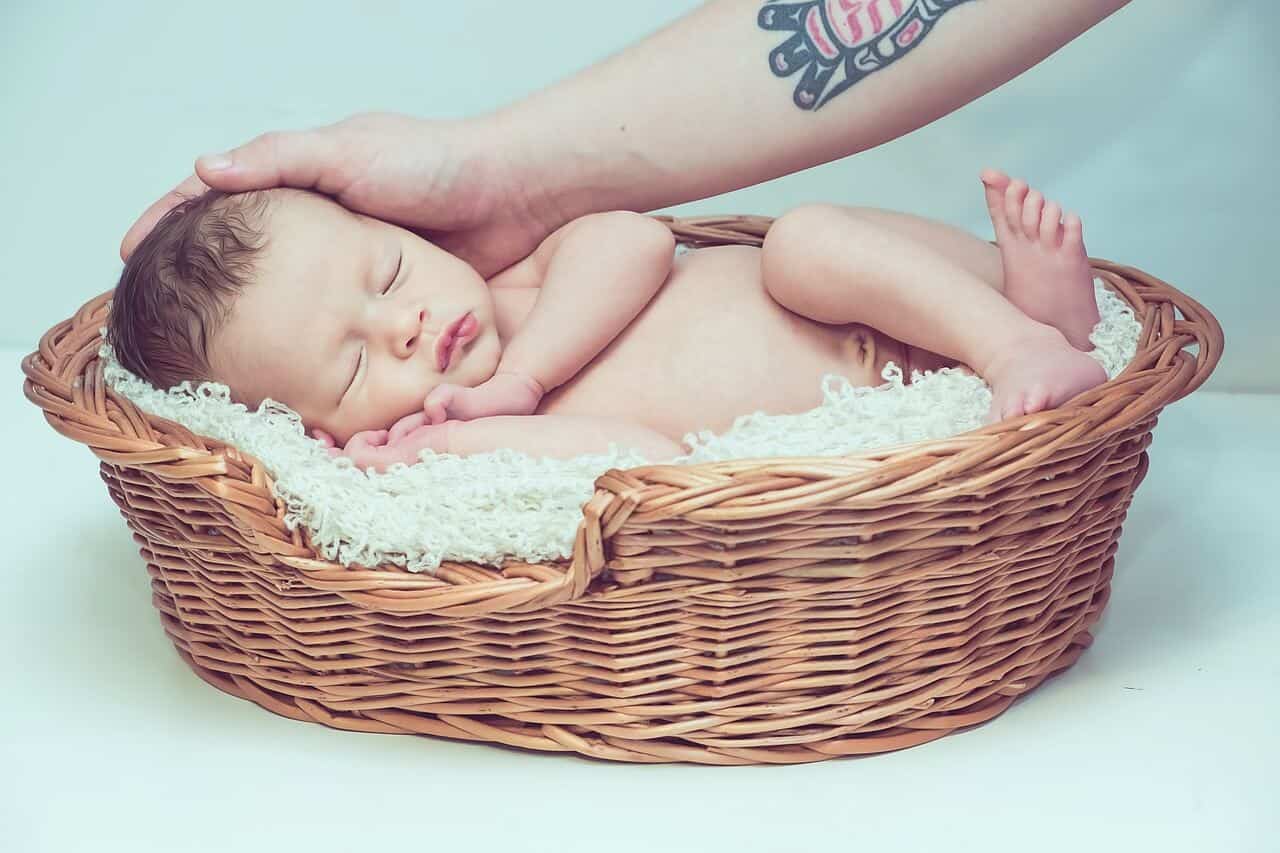
Muhammad’s Historic Rise
The ascension of Muhammad to become the most popular baby name for boys marks a significant milestone in British naming history. This change reflects the growing influence of diverse communities across the UK and demonstrates how immigration and cultural integration have fundamentally shaped modern Britain.
Muhammad’s popularity isn’t confined to specific regions—it ranks highest in the North, Midlands, and London, areas with substantial multicultural populations. This geographic distribution illustrates how demographic changes in major population centers can influence national naming trends. Birth statistics often include breakdowns by sex, which help analyze naming trends for boys and girls.
Traditional Favorites and Royal Names
Despite Muhammad’s rise, traditional choices like Noah, Oliver, and George maintain strong positions in the rankings. These names represent different aspects of British heritage—Noah’s biblical roots, Oliver’s literary associations, and George’s royal connections create a diverse foundation for popular boys’ names.
Royal names show interesting patterns of popularity that often correlate with media coverage and public sentiment. George remains consistently popular, benefiting from both historical significance and current royal family prominence. William and Harry show more variable trends, influenced by changing public perceptions and media attention.
Modern Entries and International Influences
Contemporary choices such as Jax, Enzo, and Bodhi demonstrate how global cultural exchange affects naming preferences. These names reflect parents’ desire for choices that sound distinctive yet remain accessible within British society. The rise of such names indicates a growing comfort with international influences while maintaining a connection to local naming traditions. Some modern names stick in the rankings for years, demonstrating their enduring appeal.
The trend toward using surnames as first names has gained significant traction in recent years. Names like Oakley, Hudson, and Harrison—previously rare as given names—now appear regularly in birth registrations, showing how naming conventions continue to evolve.
Regional British Name Preferences
England’s Diverse Landscape
Across England’s nine regions, naming preferences reveal fascinating cultural and demographic patterns. Olivia dominates in five regions for girls, while Amelia leads in four central areas, creating a clear geographic divide in popular choices. These regional variations often reflect local cultural influences, migration patterns, and historical connections that have developed over decades.
For boys, Muhammad’s regional strength in the North, Midlands, and London contrasts sharply with other areas where Noah or Oliver maintain traditional dominance. These patterns provide insights into how local communities shape broader national trends.
Wales-Specific Trends
Wales demonstrates particularly distinctive naming patterns that often diverge from broader UK trends. For girls, Isla, Olivia, and Freya top the charts, while boys’ names favor Noah, Oliver, and Luca. The striking difference appears in Muhammad’s ranking—63rd in Wales compared to first nationally—highlighting significant cultural and demographic variations.
Welsh heritage and language continue to influence naming choices, with parents often selecting names that reflect Celtic traditions or local cultural significance. This regional identity creates naming patterns that remain distinct despite broader British influences.
Scottish and Northern Irish Patterns
Scotland and Northern Ireland each display naming trends that reflect their unique cultural positions within the UK. Scottish preferences often favor names with celtic or Gaelic roots, while Northern Irish choices may blend Irish, Scottish, and broader British influences. These regional variations contribute to the overall diversity that characterizes popular British names.
Understanding these geographic differences proves valuable for parents considering cultural connections and regional significance in their naming decisions.
Cultural Influences on British Names
Media and Entertainment Impact
Popular culture wields considerable influence over naming trends, with films, television, and music creating measurable impacts on baby name popularity. The Barbie film’s success triggered a noticeable rise in Margot, while Oppenheimer contributed to increased interest in Cillian. These entertainment-driven trends demonstrate how quickly cultural moments can translate into naming choices.
Television programming, particularly streaming content, creates sustained influences on naming patterns. The Netflix series “Wednesday” drove sudden increases in that name’s usage, while other shows contribute to longer-term trends that parents adopt over several seasons. Similarly, viral digital moments like the “Charlie bit my finger” video show how playful internet culture and memorable phrases can shape name recognition and influence trends.
Celebrity and Music Influences
Music artists continue to inspire naming choices, with Billie Eilish’s prominence contributing to Billie’s popularity, while Lana Del Rey influences selections of Lana. British cultural icons from David Bowie to Stephen Fry create periodic surges in related names, particularly following significant media attention or anniversary celebrations.
The influence extends beyond immediate celebrity connections to encompass broader cultural movements. Names associated with influential figures often experience delayed impacts as cultural appreciation develops over time.
Social Media and Digital Culture
Modern naming trends increasingly reflect digital culture and social media influences. Parents research names through online platforms, consult baby name comparison tools, and seek inspiration from international sources previously inaccessible. This digital connectivity contributes to the growing diversity of popular baby names while creating new pathways for cultural influence.
Historical British Name Trends
Victorian Legacy and Literary Heritage
Historical naming data reveals persistent cycles that reflect British social and cultural development. Victorian-era names like Elizabeth and Philip have experienced various surges, particularly following royal events and cultural celebrations. These patterns demonstrate how historical consciousness influences contemporary choices.
Literary heritage plays a fundamental role in shaping naming preferences. Shakespeare’s characters—though names like Hamlet remain uncommon—contribute to sustained interest in classical choices. Jane Austen’s influence proves particularly enduring, with Emma, Charlotte, and Jane maintaining consistent popularity across generations.
Royal Family Traditions
The royal family’s influence on naming extends far beyond immediate popularity spikes. Names like George, Charlotte, William, and Harry show long-term appeal that transcends individual royal events. This sustained influence reflects the monarchy’s role in British cultural identity and parents’ desire to connect their children with national traditions.
Historical analysis reveals how royal naming patterns often predict broader trends. Names chosen by the royal family frequently experience gradual increases in popularity over several years following their introduction.
Surname-to-First-Name Evolution
The transformation of surnames into first names represents one of the most significant changes in British naming over recent decades. Harrison, Hudson, and Oakley—historically family names—now appear regularly as given names, particularly for boys. This trend reflects evolving attitudes toward naming conventions and the desire for distinctive yet familiar choices.
Modern British Naming Patterns
Hyphenated and Compound Names
Contemporary naming demonstrates increasing creativity in structure and spelling. Hyphenated names, especially for girls, have gained considerable popularity in 2023. Combinations like Lily-Rose and Amelia-Grace offer personalization while maintaining a connection to traditional favorites. This trend allows parents to honor multiple family connections or combine beloved name elements.
The rise of compound naming reflects broader social changes, including blended families, cultural mixing, and the desire for unique identity markers that still feel authentically British.
Nature and Seasonal Inspirations
Nature-inspired names continue gaining traction across the UK. Beyond traditional choices like Rose and Lily, parents increasingly select names like Hazel, Ivy, and Autumn. These choices reflect growing environmental consciousness and the appeal of names that connect children to the natural world. Some nature-inspired names are also chosen for their associations with body positivity or physical beauty, highlighting how names can evoke positive body image and well-being.
Seasonal names represent a particularly interesting development. Sunday and Wednesday have entered mainstream usage, while June continues its steady appeal. These unconventional choices demonstrate how modern parents push traditional boundaries while seeking meaningful connections.
Gender-Neutral Trends
Gender-neutral names like Charlie, Alex, and Rowan have gained broad appeal, reflecting changing social attitudes toward gender and identity. These choices offer flexibility while maintaining strong cultural connections to British naming traditions. The trend toward gender neutrality appears particularly pronounced among younger parents seeking progressive naming options.
Family Ties and Naming Traditions
Family connections and long-standing traditions play a powerful role in the selection of baby names throughout the UK. Many parents choose to honor loved ones by naming their children after grandparents, relatives, or close friends, creating a sense of continuity and belonging. Classic names, often passed down through generations, remain popular for their timeless appeal and deep-rooted significance. The royal family’s enduring influence is also evident, with names like George and Charlotte experiencing surges in popularity in recent years, inspired by royal births and public admiration. For some families, selecting a unique British baby name is a way to celebrate their English or Welsh heritage, reflecting cultural pride and personal values. These naming traditions help connect children to their family history and the broader tapestry of British culture, making each name choice both personal and meaningful.
Naming Conventions in Britain
Naming conventions in Britain are shaped by a rich blend of history, culture, and evolving social trends. In England and Wales, parents often consider the meaning, sound, and spelling of baby names, seeking options that are both meaningful and harmonious. The popularity of a name can be a deciding factor, with some families gravitating toward popular girls’ names like Olivia or Amelia, while others prefer more distinctive choices such as Ivy or Poppy. The Office for National Statistics (ONS) publishes an annual list of the most popular baby names in England and Wales, offering valuable insights into current trends and helping parents make informed decisions. Beyond official lists, parents explore a variety of naming resources, from baby name books to online forums, to discover interesting and unique names that reflect their family’s story. This thoughtful approach ensures that each name is chosen with care, balancing tradition, individuality, and the ever-changing landscape of British culture.
Choosing the Perfect British Name
Research and Cultural Considerations
Selecting among popular British names requires balancing multiple factors, including family heritage, cultural significance, and personal preference. Many parents benefit from investigating a name’s historical background, cultural meaning, and potential variations. Understanding these elements provides context that supports confident decision-making.
Regional connections often influence choices, with families considering local traditions, dialect variations, and community preferences. Welsh parents might prioritize names that work well in both English and Welsh, while Scottish families may value Celtic heritage or clan connections.
Practical Considerations
Beyond cultural appeal, practical factors deserve careful consideration. Potential nicknames, spelling variations, and pronunciation challenges can affect a child’s experience throughout life. Names that work well internationally prove valuable in an increasingly connected world, while uniqueness must be balanced against potential social challenges.
Modern parents increasingly use official ONS statistics and digital baby name comparison tools to inform their decisions. These resources provide quantitative insights that complement personal preferences and cultural considerations.
Future Flexibility and Trends
The best naming decisions consider both current appeal and long-term suitability. Names that adapt well across different life stages, professional contexts, and cultural situations offer children maximum flexibility. Understanding the cyclical nature of naming trends helps parents make choices that will age well over the coming decades. Some parents are also drawn to names for their cool factor or trendiness, ensuring their child’s name stands out.
Popular British names continue evolving, but certain qualities—cultural resonance, pleasant sound, and meaningful connections—remain consistently valuable regardless of temporary trends.
Naming Resources
With so many beautiful and meaningful names to choose from, parents in England and Wales have access to a wide range of resources to help them find the perfect baby name. Online baby name lists and tables provide up-to-date information on popular names, their meanings, and origins, making it easy to compare options and spot emerging trends. The ONS website is a trusted source for data on the most popular baby names, offering detailed rankings and insights for both girls and boys. In addition to digital tools, parents often seek inspiration from friends, family, and baby name experts, or turn to books and dedicated websites for guidance. Baby name apps have also become popular, allowing parents to search, save, and share their favorite names with ease. Whether you’re drawn to a classic name like Elizabeth or a modern choice like Autumn, exploring these resources can help you discover a name that feels just right for your little one, blending tradition, modernity, and personal meaning.
Baby Name Finder Tool
Embark on a charming adventure with Deluxe Astrology’s Baby name finder tool, your ultimate destination for discovering the perfect name for your little one. Whether you need to find a baby name quickly or want to explore detailed meanings, our platform supports every step of the naming journey. Our baby name generator provides a fun and engaging way to browse a wide range of unique and popular names. Whether you’re interested in exploring deep baby name meanings, searching names by their significance, or uncovering distinctive, unique baby names, our advanced baby name finder is thoughtfully designed to help you find the ideal name that meets all your naming needs. Think of us as the best website to search baby names—a comprehensive online resource that makes finding baby names for your newborn effortless.
Conclusion
The landscape of popular British names reflects Britain’s dynamic cultural evolution, where centuries-old traditions blend seamlessly with contemporary influences and multicultural heritage. From Olivia’s sustained dominance to Muhammad’s historic rise, these naming trends tell the story of a country that honors its past while embracing its diverse future.
Whether you’re drawn to timeless classics like Charlotte and George, inspired by literary heritage through names like Emma and Oliver, or captivated by modern choices that reflect nature, seasonal themes, or international influences, the wealth of popular baby names in Britain offers something for every family’s unique story.
The key to choosing the perfect name lies in understanding both the broader trends that shape British naming culture and the personal factors that matter most to your family. By considering cultural significance, regional preferences, historical context, and practical implications, you can select a name that will serve your child well throughout their life while connecting them to the rich tapestry of British heritage.
As naming trends continue to evolve, driven by cultural influences, demographic changes, and creative individual choices, one thing remains constant: the profound importance parents place on giving their children names that reflect their hopes, values, and cultural connections in this beautifully diverse country.

