
- Key Takeaways
- Solar Eclipses in Hindu Beliefs: Myth, Astrology, and Symbolism
- Lunar Eclipses in Hindu Beliefs and Astrology
- Why Eclipses Are Seen as Powerful Times in Hindu Astrology
- Rituals and Practices During Solar and Lunar Eclipses
- Eclipses Falling on Hindu Festivals: What It Means Spiritually
- Scientific vs. Spiritual View about Eclipses: Finding Balance
- Conclusion
In Hinduism, an eclipse is not just a science event in the sky. It is seen as a spiritual time with special meaning. Stories from old texts say eclipses happen because of Rahu and Ketu, the shadow planets that try to eat the Sun or the Moon.
Astrology says an eclipse brings strong energy. It can bring change, affect karma, and remind people to stop and reflect. This is why many Hindus pray, fast, and do special rituals during an eclipse.
When an eclipse falls on the same day as a festival, people believe the day becomes even more powerful. In this blog, we will look at the astrology behind eclipses during Hindu festivals and what they mean in daily life.
Key Takeaways
- In Hinduism, eclipses are seen as spiritual events, not just natural ones.
- Stories of Rahu and Ketu explain why solar and lunar eclipses happen.
- People follow rituals like fasting, prayer, and bathing during eclipses for purification.
- When an eclipse falls on a festival, it is believed to make the day more powerful.
- Many today respect both science and tradition, seeing eclipses as natural but also meaningful.
Solar Eclipses in Hindu Beliefs: Myth, Astrology, and Symbolism
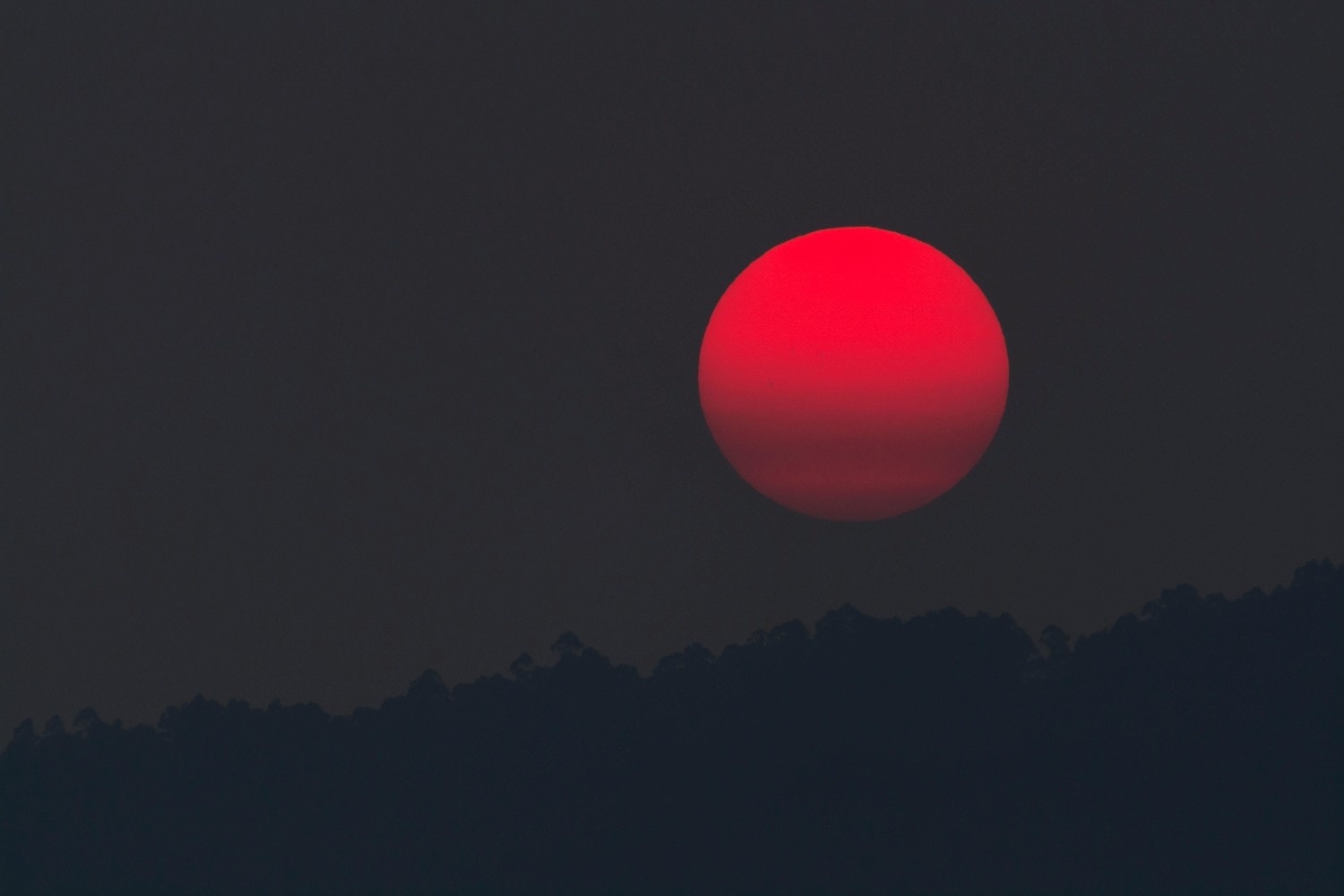
In Hindu stories, a solar eclipse happens because of Rahu and Ketu. These shadow planets are said to swallow the Sun, covering its light for a short time.
This tale comes from the Samudra Manthan (churning of the ocean), where Rahu tricked the gods and was cut in half, leaving only his head and body to chase the Sun and Moon.
Astrology sees a solar eclipse as a sign of change and karmic shifts. It is believed to bring turning points, where old energy clears and new paths open. Many people avoid starting new tasks during this time and instead turn to prayer or reflection.
The covering of the Sun is also a strong symbol. Light turning to darkness reminds people of life’s cycles endings, pauses, and renewals. Once the Sun reappears, it is seen as a return of strength and clarity.
Lunar Eclipses in Hindu Beliefs and Astrology
A lunar eclipse is viewed differently from a solar one. Instead of the Sun, it is the Moon that is covered. Since the Moon in astrology is linked with the mind, emotions, and intuition, lunar eclipses are often seen as more personal and emotional.
Astrology teaches that lunar eclipses can stir hidden feelings, bring truths to the surface, and make people more reflective. This is why many choose to fast, meditate, and follow cleansing rituals during this time.
The focus is on inner healing, letting go of old emotions, fears, or negativity. People believe it is a good time to reset the heart and find emotional balance.
Why Eclipses Are Seen as Powerful Times in Hindu Astrology
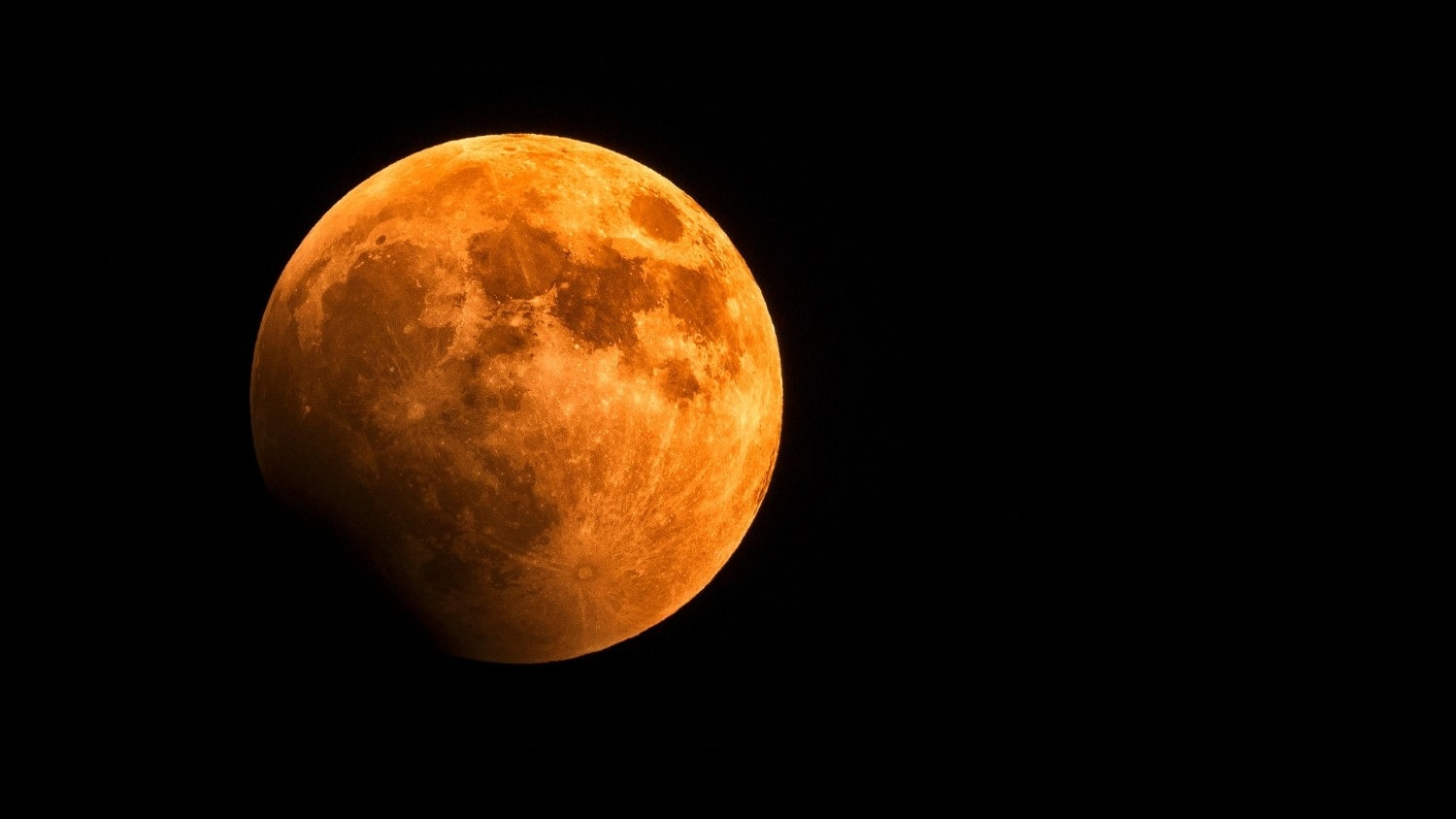
Eclipses happen when Rahu and Ketu align with the Sun and Moon. In astrology, these are not just shadow points but karmic markers. Their role in eclipses makes these moments powerful and sometimes unsettling.
Hindu astrology teaches that eclipses are times of spiritual openings. Energy shifts quickly and can feel intense, which is why many avoid big tasks like travel, ceremonies, or new beginnings during this time.
Instead, eclipses are used as a time for prayer, chanting, and self-reflection. People believe that turning inward during an eclipse helps redirect the strong energy toward growth, wisdom, and inner strength.
Some also believe that meditation and mantras chanted during eclipses carry extra power and blessings.
Rituals and Practices During Solar and Lunar Eclipses
- Many people fast, chant, meditate, or stay indoors during an eclipse. It is seen as a time to turn inward and avoid new activities.
- Traditionally, eating food or cooked food during an eclipse is restricted. It is believed that food items should not be exposed to eclipse rays, and people often avoid consuming any food during this period.
- Kusha grass is sometimes used to cover or protect food items during an eclipse, as it is considered to have purifying properties in Hindu rituals.
- Pregnant women are often advised to take special precautions during eclipses according to tradition, such as staying indoors and avoiding certain activities.
- Taking a bath in a sacred river or bathing after the eclipse is common. This is believed to remove negative energy and bring purity.
- Temples often close during an eclipse, as the period is thought to carry unstable energy. After the eclipse, prayers and offerings are made to restore balance.
Eclipses Falling on Hindu Festivals: What It Means Spiritually
Sometimes an eclipse happens on the same day as a big festival like Diwali, Holi, or Navratri. When this takes place, people see the day as extra powerful. The energy of the eclipse and the festival are believed to join together, making it an especially auspicious time for certain rituals.
This mix is thought to make prayers and rituals stronger. But it also means mistakes or negative acts can have a bigger effect.
Only the regions affected by the eclipse are expected to observe specific practices, so local customs may vary. Because of this, many people fast, pray, or wait until the eclipse is over before celebrating fully.
After the eclipse ends, people often bathe, clean their homes, and do extra prayers. These acts are believed to bring back balance and invite blessings. Such happenings are seen as significant not just locally but across the world in Hindu tradition.
Scientific vs. Spiritual View about Eclipses: Finding Balance
Science says an eclipse happens when the Sun, Moon, and Earth line up. A solar eclipse happens when the Moon moves in front of the Sun and blocks its light. A lunar eclipse happens when the Earth’s shadow falls on the Moon, making it dark.
The occurrence of eclipses is a well-understood astronomical phenomenon, and ancient Indian scholars were skilled at creating models to explain and predict these astronomical events. These are natural events and can be predicted.
In Hindu belief, eclipses are more than that. They are linked to Rahu and Ketu, the shadow planets, and are seen as times of change and reflection.
Many today follow both views. They understand the science but also keep the traditions. This way, eclipses are respected as both natural events and spiritual moments.
Conclusion
In Hinduism, eclipses are more than just shadows in the sky. They are moments filled with meaning, tied to stories, astrology, and rituals. Whether it is a solar or lunar eclipse, people see it as a time to pause, reflect, and focus on prayer and purity.
Science explains eclipses as natural events, while Hindu tradition sees them as signs of energy and change. Many people choose to honor both views, respecting the science while keeping the spiritual practices alive.
When eclipses fall on festivals, they are seen as even more powerful. These moments remind us that nature, faith, and tradition are closely connected.