Ten of Swords
Deluxe Astrology's tarot card encyclopedia documents the Ten of Swords with upright and reversed meanings, full cosmic correspondences (Swords, Air element, Gemini), love and career context, yes/no guidance (no), numerological ties, and crystal associations. Free, no registration required.
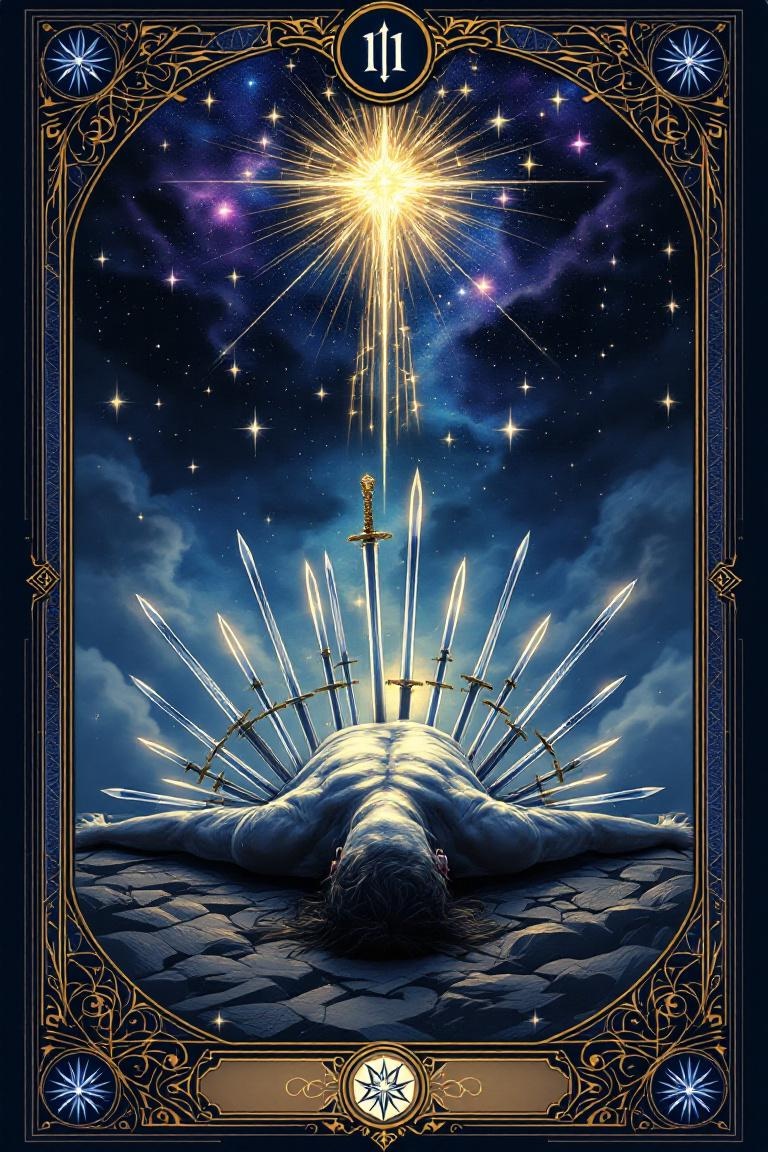
“最坏的已经过去;我从谷底升起,走向新的光芒。”
10: 谷底,完全黑暗后的黎明
Upright Meaning
谷底、痛苦的结束和背叛。最坏的已经过去。从这个最低点,唯一的方向就是上升。
Reversed Meaning
恢复、重生和抗拒终结。你可能在拒绝接受某些事物已经结束。
Card Description
剑之十标志着黎明前最黑暗的时刻。这个痛苦的结束已经完成。放下它,相信新的开始正在升起。
Frequently Asked Questions About Ten of Swords
What does the Ten of Swords mean in a love reading?
In a love reading, the Ten of Swords (Swords, Air element) reflects 结束, 谷底, 背叛. 谷底、痛苦的结束和背叛。最坏的已经过去。从这个最低点,唯一的方向就是上升。 Reversed in a relationship context, it suggests 恢复、重生和抗拒终结。你可能在拒绝接受某些事物已经结束。
What does the Ten of Swords mean in a career reading?
For career and work, the Ten of Swords upright points to 结束 and 谷底. 谷底、痛苦的结束和背叛。最坏的已经过去。从这个最低点,唯一的方向就是上升。 If it appears reversed, watch for 恢复、重生和抗拒终结。你可能在拒绝接受某些事物已经结束。
Is the Ten of Swords a yes or no card?
The Ten of Swords is traditionally a no card in yes-or-no tarot readings. Its energy suggests caution, delay, or not yet when drawn upright. Reversed, the resistance may be lifting — reconsider with surrounding cards.
What zodiac sign is associated with the Ten of Swords?
The Ten of Swords is associated with Gemini (Air element). This astrological connection shapes the card’s core themes: 结束, 谷底, 背叛. When Gemini season is active or when its ruling planet is prominent in transit, the Ten of Swords often carries extra weight in a reading.
What does the Ten of Swords reversed mean?
When the Ten of Swords appears reversed in a tarot reading, it indicates 恢复、重生和抗拒终结。你可能在拒绝接受某些事物已经结束。 The reversed meaning is not simply the opposite of upright — it often signals the same energy turned inward, blocked, or overdone rather than its literal negation.