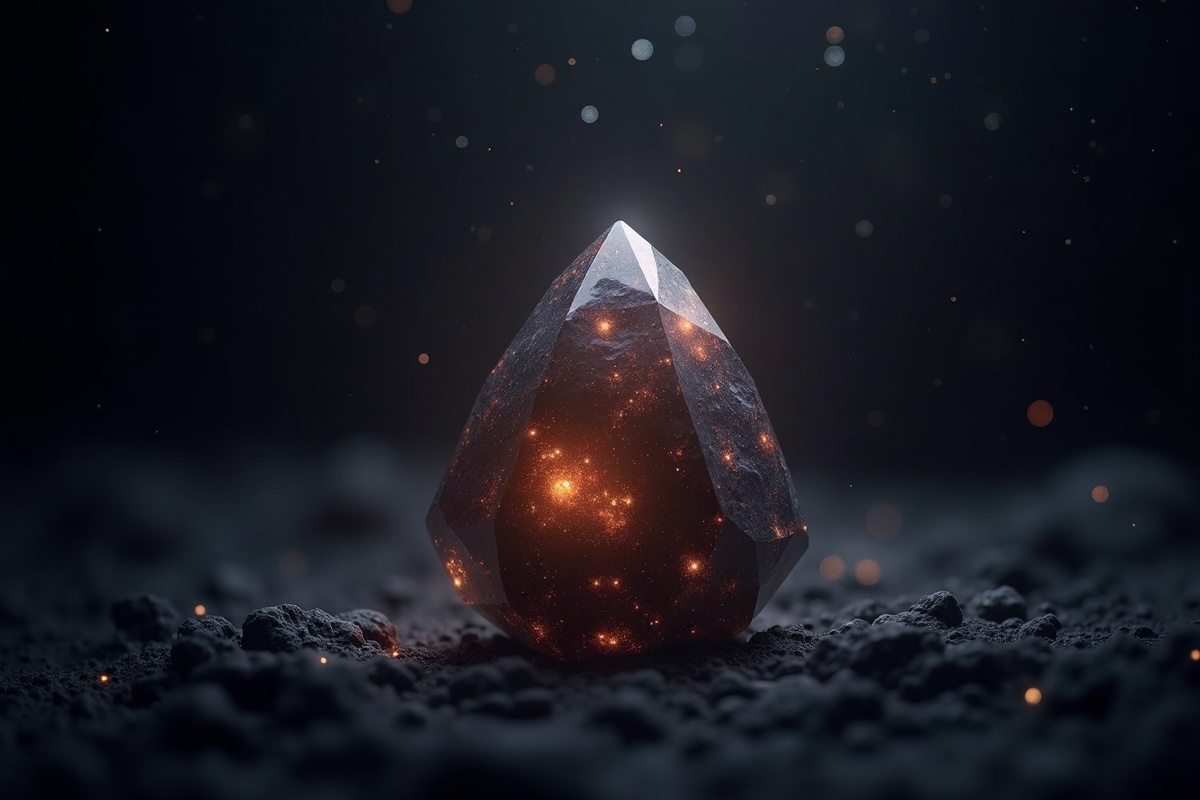
Apache Tear
Mohs
5
System
Amorphous
Chakra
Root
Zodiac
Scorpio
Chakras
Root
Ruling Planets
Pluto, Saturn
Intentions
What is Apache Tear?
Apache Tears are small, rounded nodules of obsidian (volcanic glass) that are translucent when held up to light. According to legend, they formed from the tears shed by Apache women mourning warriors who rode their horses off a cliff rather than face capture.
Unlike raw obsidian, which can be energetically intense, Apache Tears provide a gentler approach to emotional healing. They absorb negative energy slowly and gradually, making them ideal for those new to shadow work.
Geological Profile
| Mohs Hardness | 5 |
| Crystal System | Amorphous |
| Chemical Formula | SiO₂ (volcanic glass) |
| Origin Countries | USA, Mexico |
Healing Properties
Physical
Supports muscle health, aids in absorbing vitamins.
Emotional
Gently absorbs grief and sorrow, facilitates forgiveness.
Spiritual
Provides gentle grounding during shadow work and grief processing.
History & Mythology
Apache Tears hold deep significance within Native American traditions, particularly among the Apache people of the southwestern United States. According to legend, these translucent obsidian nodules were formed from the tears of Apache women who mourned their warriors lost in battle. The stones are said to have been created when the Great Spirit gathered these tears of grief and transformed them into protective talismans. This powerful origin story has made Apache Tears sacred stones for processing grief and finding strength through sorrow.
Geologically, Apache Tears are actually rounded nodules of obsidian that formed during volcanic eruptions millions of years ago. When lava flows cooled rapidly, they created this natural volcanic glass. The rounded, water-worn appearance distinguishes them from typical sharp-edged obsidian. These specimens are primarily found in Arizona, Nevada, and New Mexico, often scattered across desert landscapes. While obsidian has been used by indigenous peoples for thousands of years to create tools and weapons, Apache Tears specifically became recognized for their emotional healing properties, bridging ancient geological processes with profound spiritual traditions.
Care & Maintenance
Apache Tears require gentle care due to their relatively soft nature at 5 on the Mohs scale and their volcanic glass composition. Clean your Apache Tear with lukewarm water and mild soap, using a soft cloth to avoid scratching the surface. Avoid ultrasonic cleaners, steam cleaning, or harsh chemicals that could damage the stone's structure. Store Apache Tears separately from harder gemstones to prevent chipping, preferably wrapped in soft fabric or placed in individual pouches. While they can tolerate brief sun exposure, prolonged heat or extreme temperature changes may cause thermal stress fractures. Handle with care as volcanic glass can develop sharp edges if chipped. For energetic cleansing, moonlight, sage smoke, or placing them on selenite are gentle alternatives to water-based methods.
Who Should Wear Apache Tear?
Apache Tears particularly resonate with Scorpio, Aries, and Capricorn individuals, offering grounding support for their intense emotional depths and ambitious natures. Those working through grief, loss, or major life transitions find Apache Tears especially beneficial for processing difficult emotions with gentle strength. Mental health professionals, counselors, and healthcare workers often carry these stones to absorb negative energies while maintaining emotional boundaries. People in high-stress environments or those prone to emotional overwhelm can benefit from Apache Tears' protective and stabilizing qualities. Root chakra work makes these stones valuable for anyone seeking better grounding, whether dealing with anxiety, feeling disconnected from their body, or needing stronger foundations during uncertain times. The stone's connection to both Pluto and Saturn makes it particularly suitable for those ready to face their shadows and transform through discipline and inner work.
Fun Facts
1
Apache Tears are translucent when held up to light, unlike regular black obsidian which remains opaque
2
The rounded shape forms naturally through a process called devitrification as the volcanic glass slowly weathers
3
Native American tradition holds that whoever possesses an Apache Tear will never cry again, as the stone has absorbed all necessary grief
4
These stones are found primarily in the Chihuahuan and Sonoran deserts of the American Southwest
5
Apache Tears can contain tiny gas bubbles or inclusions that create unique internal landscapes when viewed under magnification
6
The largest specimens rarely exceed golf ball size, with most quality pieces being marble-sized or smaller
Pairs Well With
Avoid combining with:
citrinesunstone
Related Gemstones
Black Tourmaline
Root Chakra
CapricornScorpioLibra
protectiongrounding
The ultimate grounding and protection stone, creating an energetic shield against negativity.
Obsidian
Root Chakra
ScorpioSagittariusCapricorn
protectiongroundingtransformation
A powerful volcanic glass that acts as a psychic vacuum, purging negative energy.
Smoky Quartz
Root Chakra
CapricornScorpioSagittarius
groundingprotectiontransformation
An efficient grounding stone that neutralizes negative vibrations and relieves stress.