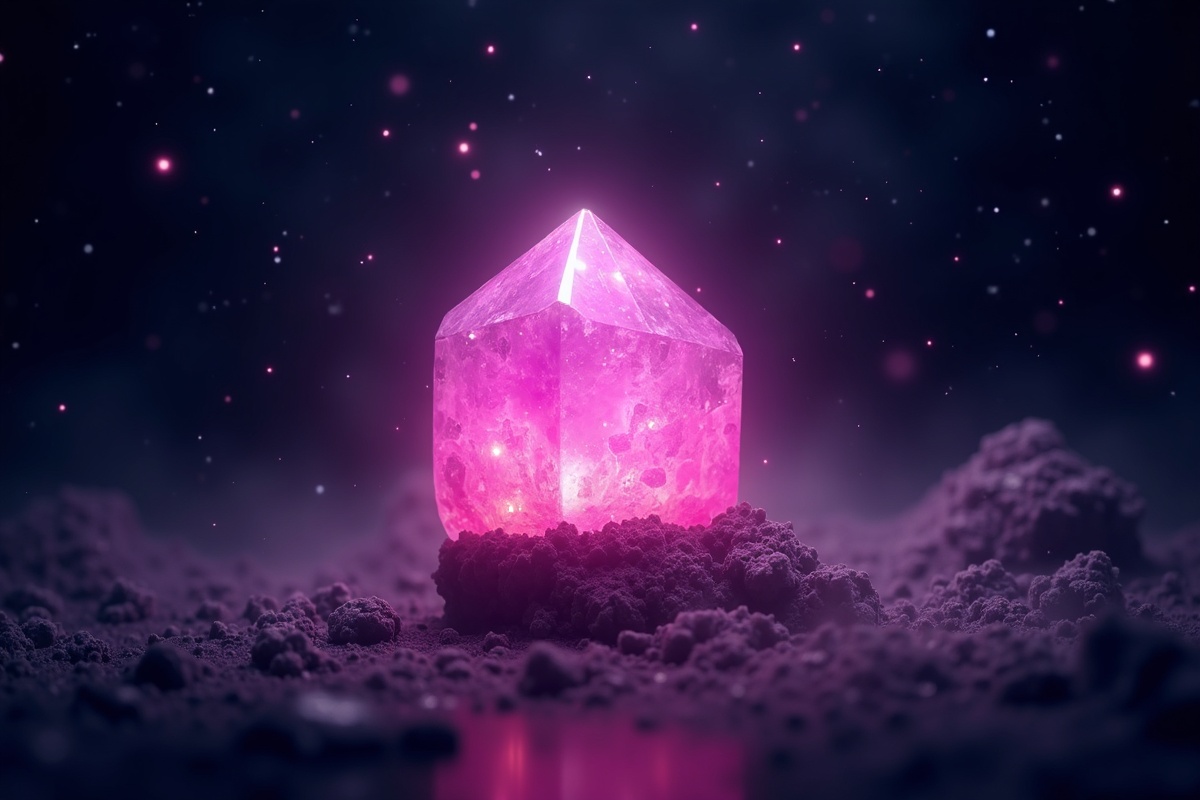
Kunzite
Mohs
6.5
System
Monoclinic
Chakra
Heart
Zodiac
Taurus
Chakras
HeartCrown
Ruling Planets
Venus, Pluto
Intentions
What is Kunzite?
Kunzite is a delicate pink to lilac crystal of divine love and emotional healing. It encourages the expression of love from heart to heart.
Geological Profile
| Mohs Hardness | 6.5 |
| Crystal System | Monoclinic |
| Chemical Formula | LiAl(SiO₃)₂ |
| Origin Countries | Afghanistan, Brazil, Madagascar, USA |
Healing Properties
Physical
Supports heart and circulatory system.
Emotional
Dissolves emotional walls, promotes self-love.
Spiritual
Connects to divine love energy.
History & Mythology
Kunzite was first discovered in 1902 in the Pala District of California by gemologist George Frederick Kunz, after whom the stone was named. Kunz was the chief gemologist for Tiffany & Co. and played a pivotal role in introducing this delicate pink variety of spodumene to the jewelry world. The discovery occurred during the great gem rush in Southern California, when the region's pegmatite deposits yielded numerous rare minerals and gemstones.
Despite its relatively recent scientific discovery, kunzite quickly gained recognition for its ethereal beauty and gentle energy. The stone has since been found in several locations worldwide, including Afghanistan's famous deposits that produce some of the finest specimens, as well as notable finds in Brazil and Madagascar. In metaphysical traditions, kunzite has become known as the 'Stone of Emotion' due to its capacity to open and heal the heart chakra. Its soft pink coloration, caused by trace amounts of manganese, has made it a symbol of divine love and emotional healing in contemporary crystal healing practices.
Care & Maintenance
With a hardness of 6.5 on the Mohs scale, kunzite requires gentle handling and proper storage. Clean your kunzite using lukewarm water and mild soap, gently brushing with a soft toothbrush if needed. Avoid ultrasonic cleaners and steam cleaning, as the stone's perfect cleavage makes it susceptible to fracturing under vibration or sudden temperature changes. Kunzite is highly photosensitive and will fade when exposed to direct sunlight or strong artificial light, so store it in a dark place when not in use. Wrap individual pieces in soft cloth to prevent scratching from harder stones. Avoid exposure to household chemicals, perfumes, and cosmetics, which can damage the stone's surface. Handle with care during setting changes, as kunzite can chip or crack along its natural cleavage planes.
Who Should Wear Kunzite?
Kunzite resonates most strongly with Taurus, Scorpio, and Leo individuals, though anyone seeking emotional healing can benefit from its gentle energy. This stone particularly appeals to those in caregiving professions—healers, counselors, nurses, and therapists—as it helps maintain emotional boundaries while keeping the heart open. People experiencing heartbreak, grief, or emotional trauma often find kunzite's supportive energy helpful in their healing journey. Creative individuals, especially those in the arts, may be drawn to kunzite's ability to inspire self-expression and emotional authenticity. Those struggling with anxiety, stress, or difficulty expressing emotions may find this stone's calming influence beneficial. Kunzite is also recommended for individuals working on forgiveness, whether of others or themselves, and for those seeking to cultivate greater self-love and compassion.
Fun Facts
1
Kunzite exhibits strong pleochroism, displaying different colors when viewed from different angles—pale pink, violet, or colorless depending on the viewing direction.
2
The largest faceted kunzite on record weighs 880 carats and is housed in the Smithsonian Institution's National Museum of Natural History.
3
Afghanistan's Nuristan Province produces some of the world's most vivid kunzite specimens, with crystals reaching exceptional sizes of over 40 centimeters.
4
Kunzite's photosensitive nature means that prolonged exposure to sunlight can cause the stone to completely lose its pink color, reverting to colorless.
5
The mineral spodumene, of which kunzite is a variety, is an important source of lithium used in batteries and other modern technologies.
6
Some kunzite specimens exhibit natural fluorescence, glowing orange or pink under ultraviolet light due to their manganese content.
Pairs Well With
Avoid combining with:
hematiteblack tourmaline
Related Gemstones
Amethyst
Third Eye Chakra
PiscesAquariusVirgo
intuitionpeaceclarity
The supreme stone of spiritual protection and purification, Amethyst calms the mind and deepens meditation.
Lepidolite
Third Eye Chakra
LibraPiscesCapricorn
peacehealingtransformation
Nature's Prozac — a stone of deep emotional healing containing natural lithium.
Rose Quartz
Heart Chakra
TaurusLibraCancer
lovehealingpeace
The quintessential stone of unconditional love, opening the heart to all forms of love.