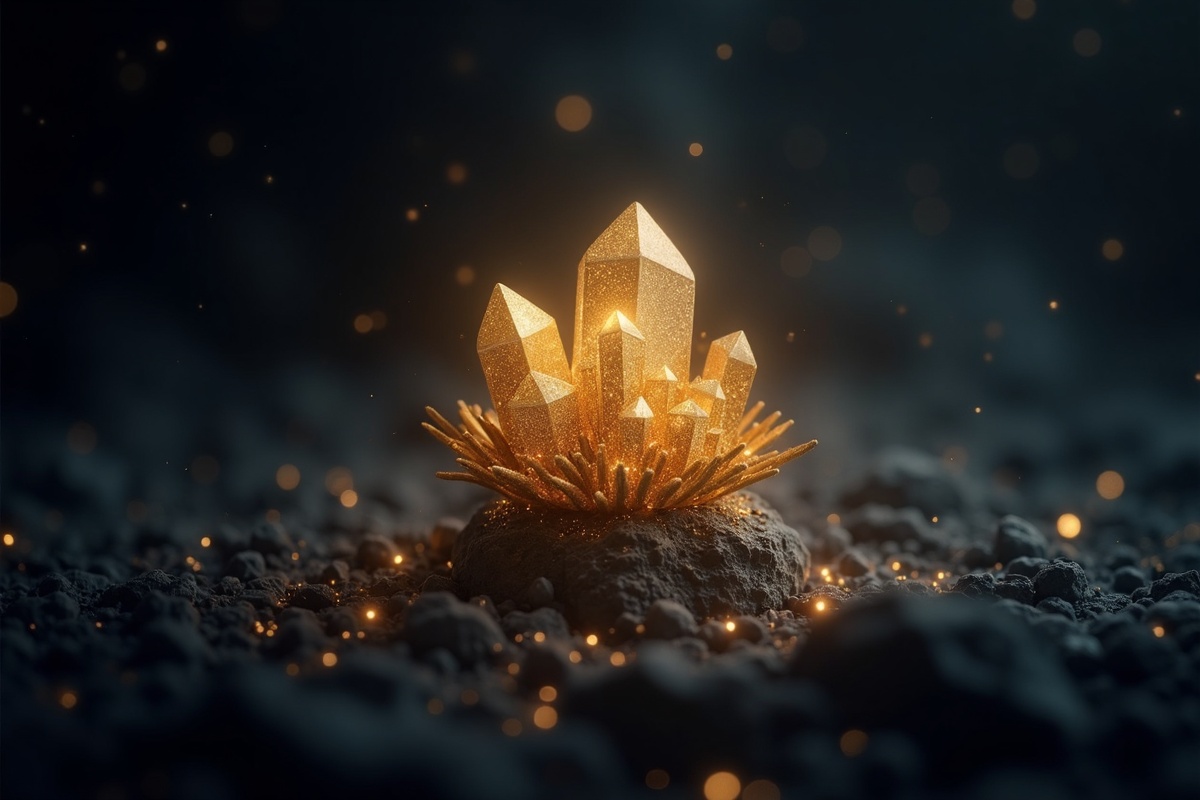
Pyrite
Mohs
6.5
System
Cubic
Chakra
Solar Plexus
Zodiac
Leo
Zodiac Signs
Chakras
Solar Plexus
Ruling Planets
Sun, Mars
Intentions
What is Pyrite?
Pyrite, also known as "Fool's Gold," is a powerful stone of wealth, willpower, and protective shielding. Its mirror-like surface deflects negative energy.
Geological Profile
| Mohs Hardness | 6.5 |
| Crystal System | Cubic |
| Chemical Formula | FeS₂ |
| Origin Countries | Spain, Peru, Italy, USA |
Healing Properties
Physical
Supports lung health, oxygenation.
Emotional
Builds confidence, overcomes timidity.
Spiritual
Creates a shield of positivity, enhances willpower.
History & Mythology
Known throughout history as 'fool's gold,' pyrite derives its name from the Greek word 'pyros,' meaning fire, due to the sparks it produces when struck against metal. This mineral has been both revered and reviled across civilizations, often mistaken for genuine gold by prospectors and miners. Ancient civilizations, including the Romans and Greeks, carved pyrite into mirrors and ornamental objects, while Native American tribes used it as sacred ceremonial items and for creating fire.
During the Victorian era, pyrite jewelry experienced tremendous popularity, particularly in mourning jewelry due to its metallic luster that didn't tarnish. The Incas of Peru held pyrite sacred, believing it to be a stone of memory and protection, often incorporating it into ceremonial masks and shields. Spanish conquistadors initially dismissed vast pyrite deposits as worthless, not recognizing the iron sulfide mineral's industrial value. Archaeological evidence shows that ancient peoples across multiple continents independently discovered pyrite's fire-starting properties, making it one of humanity's earliest tools for creating controlled flame.
Care & Maintenance
Pyrite requires careful handling due to its iron content and susceptibility to oxidation. Clean your pyrite gently with a soft, dry cloth, avoiding water exposure as moisture can cause the iron sulfides to oxidize and create rust or sulfur compounds. Store pyrite in a dry environment with low humidity, ideally in a sealed container with silica gel packets to prevent tarnishing. Avoid exposing pyrite to harsh chemicals, acids, or cleaning solutions, as these can damage the metallic surface and cause deterioration. Keep pyrite away from other softer gemstones in storage to prevent scratching, and handle with care as the cubic crystal structure can be brittle. Never use ultrasonic cleaners or steam cleaning methods, as the vibrations and moisture can cause structural damage or surface oxidation.
Who Should Wear Pyrite?
Pyrite resonates strongly with fire signs—Leo, Aries, and Sagittarius—who benefit from its confidence-boosting and leadership-enhancing properties. Entrepreneurs, business leaders, and those in competitive fields find pyrite particularly supportive for manifesting abundance and maintaining determination. Individuals seeking to overcome self-doubt or boost their personal power can benefit from pyrite's solar plexus chakra activation. Those in creative professions often use pyrite to spark inspiration and maintain focus during challenging projects. The stone appeals especially to people who need protection from negative energy in their work environment or those looking to attract financial opportunities. Natural-born leaders and anyone working to develop their assertiveness may find pyrite's Mars-ruled energy particularly empowering, helping them stand firm in their convictions while pursuing their goals.
Fun Facts
1
Pyrite forms perfect cubic crystals due to its unique crystal lattice structure, making it a favorite among mineral collectors worldwide.
2
During World War II, pyrite was extensively mined as a source of sulfur for gunpowder production, making it strategically important.
3
The largest pyrite crystal ever found weighs over 100 pounds and is housed in the Natural History Museum in London.
4
Pyrite can generate electricity when heated, a property that led to its use in early radio receivers called 'crystal radios.'
5
Many famous gold rushes were triggered by pyrite discoveries, including false starts in California and Alaska that disappointed thousands of prospectors.
6
Pyrite forms in sedimentary, metamorphic, and igneous rocks, making it one of the most geologically versatile minerals on Earth.
Pairs Well With
Avoid combining with:
selenitepearlmoonstone
Related Gemstones
Citrine
Solar Plexus Chakra
LeoGeminiAries
abundancecreativityclarity
The Merchant's Stone, Citrine attracts wealth, success, and all forms of abundance.
Clear Quartz
Crown Chakra
LeoGeminiAries
clarityhealingtransformation
The Master Healer — the most versatile crystal that amplifies energy and intention.
Tiger's Eye
Solar Plexus Chakra
LeoCapricornGemini
courageabundancegrounding
A stone of practicality and discernment, Tiger's Eye sharpens focus and grants courage.