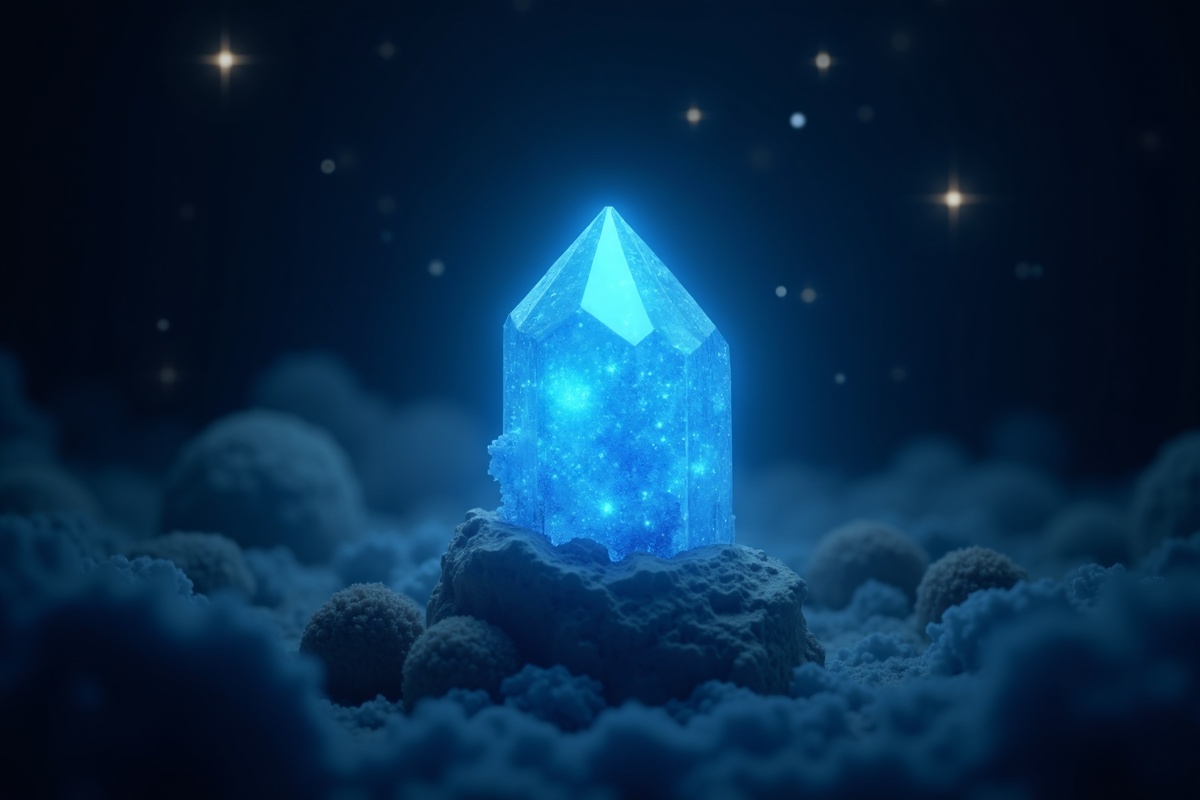
Zircon
Mohs
7.5
System
Tetragonal
Chakra
Root
Zodiac
Sagittarius
Zodiac Signs
Chakras
RootSolar Plexus
Ruling Planets
Jupiter, Venus
Intentions
What is Zircon?
Zircon is the oldest mineral on Earth, with some crystals dating back 4.4 billion years. Not to be confused with cubic zirconia, natural zircon is a prized gemstone with exceptional fire.
Geological Profile
| Mohs Hardness | 7.5 |
| Crystal System | Tetragonal |
| Chemical Formula | ZrSiO₄ |
| Origin Countries | Cambodia, Sri Lanka, Myanmar, Australia |
Healing Properties
Physical
Supports bone health, liver, and sleep.
Emotional
Promotes self-esteem, aids in loss and grief.
Spiritual
Grounds spiritual energy, connects to ancient wisdom.
History & Mythology
Zircon holds the remarkable distinction of being Earth's oldest mineral, with some specimens dating back 4.4 billion years to the planet's earliest geological formations. Ancient civilizations prized zircon for its brilliant fire and protective qualities, with the Hindus incorporating it into their Kalpa Tree mythology as one of the sacred leaves that adorned this legendary tree of gifts. The name 'zircon' derives from the Persian 'zargun,' meaning 'gold-colored,' though the stone occurs in a spectacular range of hues. Medieval Europeans believed zircon could induce sleep, drive away evil spirits, and promote honor and wisdom in its wearer.
During the Victorian era, blue zircon experienced a surge in popularity as an alternative to the more expensive sapphire, adorning elaborate jewelry pieces throughout Europe. The gemstone's high refractive index, which creates exceptional brilliance rivaling that of diamond, made it a favored choice among jewelers. Historically, zircon has been found in the crown jewels of several nations and was particularly treasured in Southeast Asian cultures, where it was believed to bring prosperity and protection to travelers. The ancient Greeks and Romans associated zircon with the planet Jupiter, attributing to it powers of wisdom and spiritual insight.
Care & Maintenance
With a hardness of 7.5 on the Mohs scale, zircon is relatively durable but requires careful handling due to its brittle nature and susceptibility to chipping along crystal faces. Clean your zircon gently using warm, soapy water and a soft brush, avoiding ultrasonic cleaners and steamers which can damage the stone. Store zircon separately from harder gemstones like diamonds and sapphires to prevent scratching, using individual soft pouches or compartments. Avoid exposure to sudden temperature changes, harsh chemicals, and bleach, which can affect the stone's color stability. Some heat-treated blue zircons may revert to brown or yellow when exposed to bright sunlight over extended periods, so limit prolonged sun exposure. When setting zircon in jewelry, choose protective mountings that shield the stone's edges from impact.
Who Should Wear Zircon?
Zircon particularly resonates with Sagittarius, Virgo, and Leo individuals, supporting Sagittarian spiritual quests, enhancing Virgoan analytical abilities, and boosting Leo confidence and leadership qualities. Those seeking greater mental clarity, grounding, and protection will find zircon especially beneficial, making it ideal for students, researchers, and professionals in analytical fields. People experiencing scattered energy or feeling disconnected from their purpose may benefit from zircon's stabilizing influence. The stone appeals to earth sign individuals who appreciate both beauty and practicality, as well as those drawn to ancient wisdom traditions. Zircon serves December-born individuals as their birthstone, but anyone seeking to strengthen their connection to Earth's ancient energies and enhance their spiritual discernment can benefit from its presence.
Fun Facts
1
Zircon is one of the oldest minerals on Earth, with some crystals dating back 4.4 billion years, making them nearly as old as the planet itself
2
The mineral has such a high refractive index that it displays more fire and brilliance than many diamonds
3
Zircon naturally occurs in more colors than any other gemstone, ranging from colorless to yellow, orange, red, brown, and blue
4
Heat treatment can transform brown zircon into brilliant blue varieties, a process discovered in Thailand in the 1920s
5
Scientists use zircon crystals to study Earth's early history because they contain uranium that decays at a predictable rate
6
The Hope Diamond was originally thought to be a large blue zircon before gemological testing confirmed it as a rare blue diamond
Pairs Well With
Avoid combining with:
amethystmoonstone
Birthstone Information
Zircon is the traditional birthstone for december.
Related Gemstones
Diamond
Crown Chakra
LibraTaurusVirgo
loveclarityabundance
The hardest natural substance, Diamond channels Venus energy for love, luxury, and artistic brilliance.
Tanzanite
Third Eye Chakra
SagittariusPiscesGemini
transformationintuitioncommunication
A rare violet-blue stone found only in Tanzania, prized for spiritual transformation.
Topaz
Throat Chakra
SagittariusScorpioLeo
communicationabundanceclarity
A stone of communication and good fortune, Topaz brings joy and abundance.