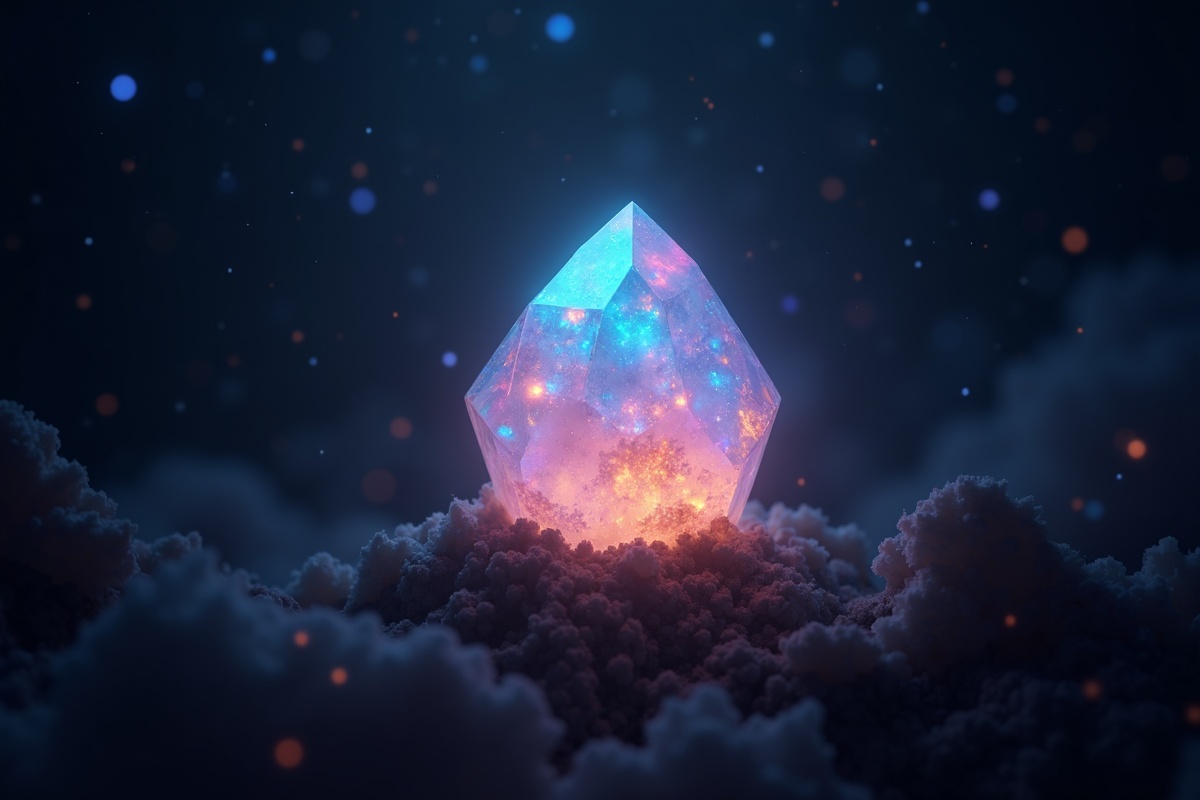
Opal
Mohs
5.5
System
Amorphous
Chakra
Crown
Zodiac
Libra
Chakras
CrownHeart
Ruling Planets
Venus, Neptune
Intentions
What is Opal?
Opal is a mesmerizing gem that contains the fire of every other stone within its play of color. It amplifies emotions, enhances creativity, and stimulates originality.
Geological Profile
| Mohs Hardness | 5.5 |
| Crystal System | Amorphous |
| Chemical Formula | SiO₂·nH₂O |
| Origin Countries | Australia, Ethiopia, Mexico, Brazil |
Healing Properties
Physical
Supports eyes, hydration, and hormonal balance.
Emotional
Amplifies emotions, releases inhibitions.
Spiritual
Enhances cosmic consciousness and creativity.
History & Mythology
Opal's mystical beauty has captivated civilizations for over 4,000 years. The ancient Romans considered opal the most precious of all gemstones, believing it contained the virtues of every other precious stone within its fire-like play of color. They called it 'opalus,' meaning 'precious stone,' and Roman senator Nonius chose exile over surrendering his magnificent opal to Mark Antony. The ancient Greeks believed opals formed from Zeus's tears of joy after defeating the Titans, granting the wearer prophetic powers and protection from disease.
Australian Aboriginal cultures have their own profound connection to opal, believing it formed when their creator came to Earth on a rainbow, leaving these stones where his feet touched the ground. The name 'opal' derives from the Sanskrit word 'upala,' meaning precious stone, which traveled through Greek and Latin to reach us today. During the Middle Ages, opal was known as the 'eye stone' and thought to improve eyesight and make the wearer invisible when wrapped in fresh bay leaves. Queen Victoria helped restore opal's reputation in the 19th century after superstitions had damaged its popularity, frequently gifting Australian opals to members of her family and court.
Care & Maintenance
Opal requires gentle care due to its relatively soft 5.5-6 Mohs hardness and high water content. Clean your opal with lukewarm water and mild soap, using a soft cloth or brush. Avoid ultrasonic cleaners, steam cleaning, and harsh chemicals including bleach and ammonia, which can damage the stone's delicate structure. Store opals in a slightly humid environment, as extreme dryness can cause crazing or cracking. Keep them away from direct sunlight and heat sources, which can cause the water content to evaporate and create fissures. Wrap opals individually in soft cloth when storing to prevent scratching from harder gemstones. Some opals benefit from occasional exposure to moisture—placing them near a damp cloth overnight can help maintain their stability. Handle with care during setting and resizing, as rapid temperature changes can shock the stone.
Who Should Wear Opal?
Opal particularly resonates with those born under Libra, Scorpio, and Cancer, enhancing their natural emotional intelligence and creative expression. October babies will find special affinity with their birthstone, which amplifies intuitive abilities and artistic inspiration. Creative professionals—artists, writers, musicians, and designers—often gravitate toward opal's ability to unlock imagination and overcome creative blocks. Highly sensitive individuals and empaths benefit from opal's protective qualities, which help filter overwhelming energies while maintaining emotional openness. Those seeking to enhance their romantic relationships or deepen spiritual connections find opal's Venus and Neptune influences particularly supportive. Water signs generally resonate well with opal's fluid, emotional energy, while those working in healing professions appreciate its heart chakra activation. Anyone going through major life transitions may find opal's transformative energy helpful in navigating change with grace and insight.
Fun Facts
1
Australia produces about 95% of the world's precious opal, with some mines located in underground towns where residents live in caves to escape extreme desert heat.
2
The largest uncut black opal ever found is the 'Royal One,' weighing 2,565 carats and valued at over $3 million.
3
Opals contain up to 20% water, and some Ethiopian opals are hydrophane, meaning they become transparent and change color when soaked in water.
4
The word 'opalescent' describes the unique optical phenomenon where opal's microscopic silica spheres diffract light to create its signature color play.
5
NASA has discovered opal deposits on Mars, suggesting the presence of water in the planet's geological history.
6
Fire opals from Mexico can be faceted like traditional gemstones and don't always display the typical play-of-color, instead showing brilliant orange to red transparency.
Pairs Well With
Avoid combining with:
hematitepyrite
Birthstone Information
Opal is the modern birthstone for october.
Related Gemstones
Fire Agate
Root Chakra
AriesLeoSagittarius
protectioncouragecreativity
A rare iridescent agate with an internal fire that ignites courage and creative passion.
Labradorite
Third Eye Chakra
ScorpioLeoSagittarius
intuitiontransformationprotection
The stone of magic and mysticism, with mesmerizing iridescent play of colors.
Moonstone
Third Eye Chakra
CancerLibraScorpio
intuitionlovetransformation
A stone of new beginnings, deeply connected to lunar energy and feminine divine.