Prayagraj Maha Kumbh Mela 2025: Everything You Need to Know
By Deluxe Astrology Team
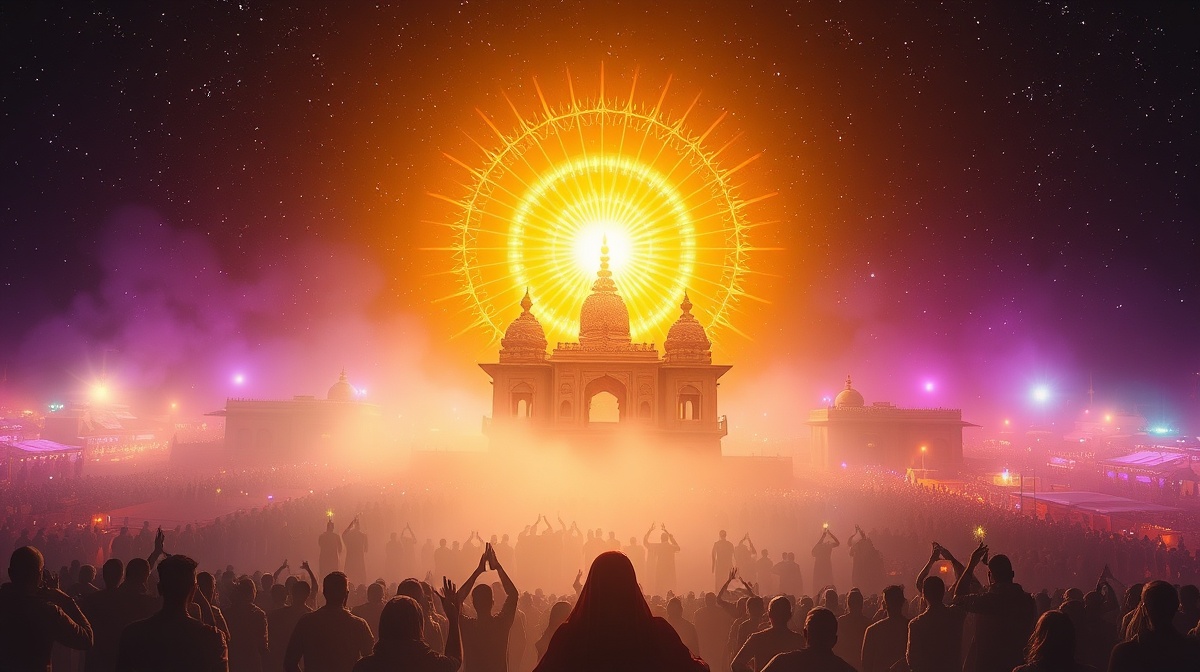
India’s spiritual tapestry is woven from threads of timeless myth, unwavering devotion, and cosmic alignments. Every twelve years or so, one shimmering strand draws global attention to the banks of the Triveni Sangam in Prayagraj—the Maha Kumbh Mela. This immersive festival, recognized as an Intangible Cultural Heritage by UNESCO, transcends mere ritual, merging religious fervor, cultural unity, and astrological precision into a colossal event that showcases India's capabilities in managing massive crowds and maintaining a sense of community and shared heritage.
This year’s Maha Kumbh Mela is especially noteworthy. According to many Indian astrological and scholarly sources, 2025 will witness a rare planetary configuration—governed by Jupiter (Brihaspati), the Sun (Surya), and the Moon (Chandra)—that allegedly occurs once every 144 years. Such a cosmic rarity amplifies the festival’s spiritual momentum, making the forthcoming Kumbh Mela a must-attend spectacle of faith, tradition, and cosmic wonder.
Introduction
The Kumbh Mela is a significant Hindu pilgrimage festival celebrated approximately every 6, 12, and 144 years. It is observed at four major pilgrimage sites: Prayagraj, Haridwar, Nashik-Trimbak, and Ujjain. The festival is a celebration of community commerce, education, and entertainment, marked by a ritual dip in the waters, which is believed to cleanse the pilgrims of their sins. The Kumbh Mela is one of the largest peaceful gatherings in the world, attracting over 200 million Hindus.
Key Facts at a Glance
Below is a concise, tabular summary of essential information for the Maha Kumbh Mela 2025. Please note: Some data (especially specific Snan dates and attendance numbers) may be updated as official announcements are released.
Ancient Origins and Mythical Foundations
Many centuries ago—so long that the exact commencement date remains cloaked in the mists of time—people assembled at these intervals to honor the mythological episode of Samudra Manthan (the churning of the cosmic ocean). According to Hindu lore, Devas (gods) and Asuras (demons) contended for a sacred pitcher of amrita (the nectar of immortality). During the ensuing struggle, a few drops spilled onto four places on Earth, including Prayagraj. The festival derives its name from the Sanskrit term Kumbh (pot), commemorating this divine occurrence.
Over the ages, pilgrims have flocked to these holy sites for punya (spiritual merit) by bathing at the confluence of the Ganga, Yamuna, and the ethereal Saraswati. This tradition thrives unbroken—rooted in devotion, mythology, and profound astrological significance.
Why the Kumbh Mela Is Celebrated
Spiritual Cleansing and Moksha
Devotees believe that taking a holy dip in the Triveni Sangam samagam can purify their souls of past sins (paap) and guide them toward moksha (spiritual liberation). The act is not merely ritualistic but also a moment of deep introspection and transformation.
Cosmic Choreography
Ready to explore your cosmic blueprint?
Discover what the stars reveal about your unique path.
Explore Your Past Lives