Ophiuchus: The Truth About the 13th Zodiac Sign Explained

The Headline That Won't Die
You've seen it before. Maybe it landed in your group chat. Maybe it showed up as a push notification that made your stomach drop: "NASA says your zodiac sign is wrong. There are actually 13 zodiac signs." It's everywhere.
The story follows the same script every time. A science outlet publishes something about Ophiuchus, the constellation of the Serpent Bearer, sitting on the Sun's path between Scorpio and Sagittarius. Social media, predictably, turns it into an identity crisis. Millions of people wonder if they've been reading the wrong horoscope their entire lives. Astrologers push back defiantly. The panic fades. And then, like clockwork — with the predictability of a Saturn return — the whole thing happens again.
The most recent wave hit in 2020 when a viral post claiming NASA had "added" a 13th zodiac sign generated millions of engagements across TikTok and Twitter. NASA's own team had to publicly clarify: they study astronomy, not astrology, changed absolutely nothing.
Here's what really makes this interesting. The cycle itself — the eruption, the anxiety, the quiet retreat — tells us something profound about how deeply zodiac sign identity has woven itself into modern culture. Research backs this up: a 2018 analysis from the National Science Foundation found that roughly 29 percent of Americans believe in astrology, up from 25 percent in 2011. The Ophiuchus panic doesn't weaken that number. If anything, it strengthens it by provoking people to defend something they didn't realize they cared about so fiercely.
The question of your sign isn't really at stake here. But the reason this myth persists? That's worth your time.
What Ophiuchus Actually Is
Let's get the astronomy straight first — because the confusion starts here.
Ophiuchus is a real constellation. It's along the ecliptic — the Sun's apparent path through the sky — and the Sun passes through it for roughly eighteen days each year, approximately November 29 through December 17. Astronomically, it's right there between Scorpio and Sagittarius, and no astronomer disputes this.
But here's the distinction that the viral headlines conveniently skip: a constellation and a zodiac sign are not the same thing.
Constellations are irregularly shaped groupings of stars with boundaries set by the International Astronomical Union. They vary wildly in size. Virgo stretches across a huge swath of sky; Scorpius is comparatively compact. Ophiuchus sprawls across roughly 18 degrees of ecliptic space in an uneven shape that fits no tidy mathematical system. Exactly.
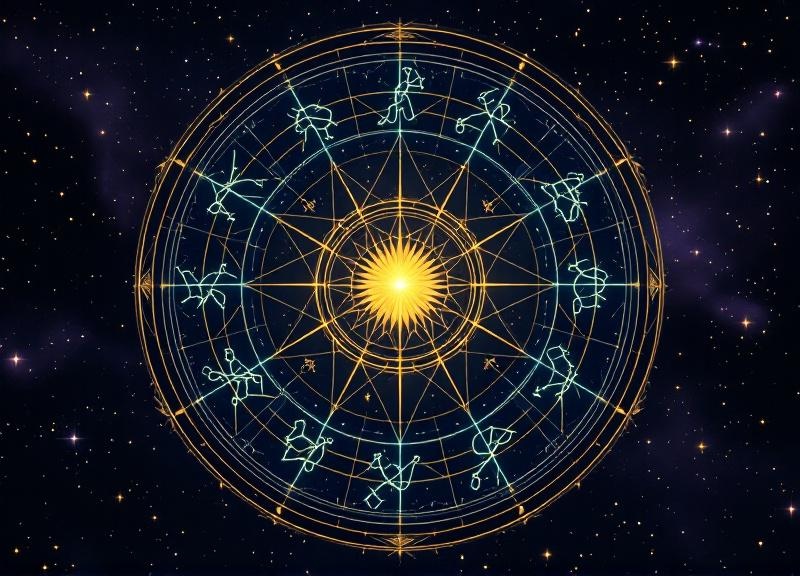
Zodiac signs, on the other hand — whether you follow Western or Vedic astrology — are equal 30-degree divisions of a 360-degree circle. They form a symbolic framework, not a star catalogue. And that difference is the entire crux of the debate.
Why Twelve Signs, Not Thirteen
This is where both the Western and Vedic traditions agree emphatically, and it's the article's most important point: the twelve-sign zodiac is a deliberate architectural choice, not an accidental omission.
The ancient Babylonians, who codified the 12-sign zodiac between roughly 700 and 500 BCE, knew Ophiuchus existed on the ecliptic. They chose twelve anyway. Why? Because twelve divides cleanly into the lunar calendar, the four seasons, and the base-60 mathematical system the Babylonians used for everything from timekeeping to celestial calculation. It was elegant, functional, intentional.
From the Western tropical perspective, the zodiac is anchored to the vernal equinox — the first day of spring in the Northern Hemisphere — not to star positions. Ptolemy's Tetrabiblos (c. 150 CE), still a key text in Western astrology, describes the zodiac as a mathematical division of the ecliptic into twelve equal seasonal segments. The constellations behind them can drift (and have, thanks to precession), but the signs maintain their seasonal meaning.
From the Vedic (Jyotish) perspective, the zodiac uses the Nirayana (sidereal) system, which tracks more closely with actual star positions. Yet even here, there are exactly twelve Rashis (signs), each spanning precisely 30 degrees. The Brihat Parashara Hora Shastra, a foundational Jyotish text attributed to the sage Parashara, establishes this with zero ambiguity. No recognized Vedic lineage, traditional school, or pre-modern text of any tradition treats Ophiuchus as a thirteenth sign. None.
Two vastly different systems. Same conclusion. That's not a coincidence — it's a convergence that spans millennia.
Key takeaway: Ophiuchus is a constellation, not a sign. The twelve-sign system is a framework built on mathematical harmony and seasonal logic — not a flawed attempt to count every star pattern.
What Vedic Astrology Already Knows About This Sky
Here's one of the most fascinating things about this debate — and it's a detail that only the Vedic tradition catches with real specificity.
Jyotish doesn't just use twelve signs. It also uses the Nakshatra system: 27 (sometimes 28) lunar mansions that divide the zodiac into segments of approximately 13 degrees and 20 minutes each. This gives Vedic astrology a far more granular map of the sky than the twelve-sign wheel alone. The Nakshatras already cover the exact region where Ophiuchus sits — with extraordinary archetypal precision.
The two Nakshatras most relevant here are:
- Jyeshtha (16°40' to 30°00' Scorpio): Presided over by Indra, king of the gods. Its power is Arohana Shakti — the ability to rise, conquer, and achieve seniority. Ruled by Mercury.
- Mula (0°00' to 13°20' Sagittarius): Presided over by Niritti, goddess of dissolution. Its power is Barhana Shakti — the power to destroy, uproot, and strip away illusion. Ruled by Ketu, the south lunar node.
If the Ophiuchus themes you've heard about — serpents, healing, transformation, encounters with death — sound familiar, it's because Mula Nakshatra already carries every one of them. Ketu's significations include past-life residue, spiritual seeking, liberation, and the sometimes brutal process of releasing attachment. The mantra for Mula — Om Nirittaye Namah — is traditionally used as a remedial practice for those working consciously with this intense energy.
The Vedic perspective essentially says: you don't need a thirteenth sign to access this wisdom. It's already in the system. Articulated with a precision that a broad new "sign" can't match. If you have planets in Mula in your birth chart, you're already living these themes.
The Wounded Healer: Why This Archetype Keeps Returning
Here's where things get interesting — and where our experts genuinely diverge.
The Jungian or depth psychological perspective looks at Ophiuchus and asks a different question entirely: not "is it a real sign?" but "why does this story keep insisting on being heard?" Intriguing, isn't it?
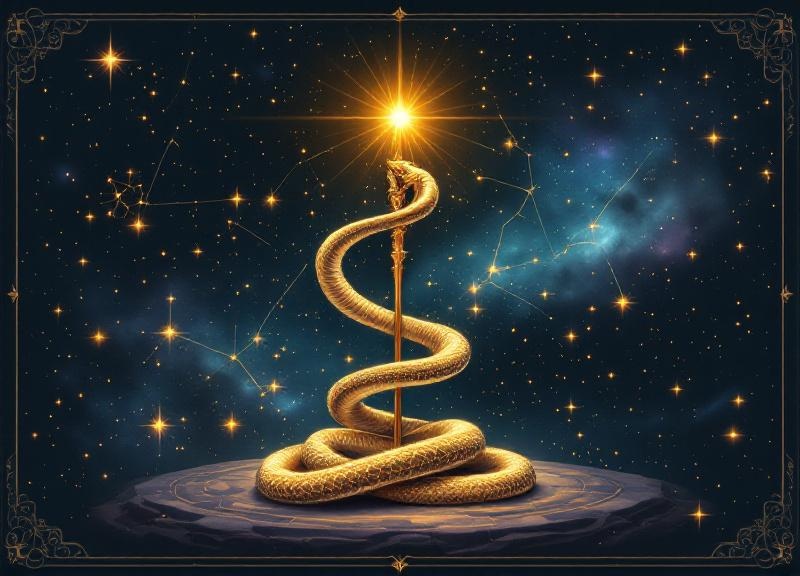
Ophiuchus is mythologically identified with Asclepius, the Greek healer so skilled at reversing death that Zeus struck him down for disturbing the cosmic order. His symbol — a serpent wound around a staff — is still the emblem of modern medicine. From a Jungian lens, Ophiuchus embodies the archetype of the Divine Physician: the one who has been wounded and, through that wounding, discovers the capacity to heal.
The psychological argument is compelling: perhaps Ophiuchus functions as the zodiac's collective shadow — the healer-knowledge that our culture keeps trying to recover, the archetype that refuses to stay categorized. The fact that the story resurfaces with such emotional intensity every few years suggests something in the collective unconscious is pressing for attention. Indeed.
This sits in productive tension with the Vedic and classical Western positions. Where those traditions say "this is settled — twelve signs, case closed," the archetypal perspective says "yes, but the myth's persistence means something, and you'd be wise to pay attention to what it's activating in you."
Both positions can be true at once. Ophiuchus doesn't need to be a zodiac sign to carry real symbolic weight. Some figures belong to the threshold — not a territory of personality and fate, but a point of initiation.
Quick Reference: Ophiuchus at a Glance
| Category | Detail |
|---|---|
| Constellation Name | Ophiuchus (the Serpent Bearer) |
| Ecliptic Transit | ~Nov 29 – Dec 17 (approx. 18 days) |
| Mythological Figure | Asclepius, the Greek healer |
| Recognized as a Zodiac Sign? | No — not in Western tropical, Vedic, or any classical tradition |
| Vedic Nakshatras in this region | Jyeshtha (late Scorpio) and Mula (early Sagittarius) |
| Mula Ruling Planet | Ketu (south lunar node) |
| Associated Archetype | The Wounded Healer / Divine Physician |
| Related Western Chart Point | Chiron (asteroid of the wounded healer) |
| Why the myth persists | Deep cultural attachment to zodiac identity + the unmet archetype of the healer |
What to Actually Do With This
So your sign hasn't changed. Your daily horoscope is still accurate. But if the Ophiuchus myth caught your attention — if something in the idea of the Serpent Bearer resonated — here are concrete ways to work with that energy:
Check your Nakshatras. If you follow Vedic astrology, look up your Janma Nakshatra (birth lunar mansion) using a Vedic birth chart calculator. If you have planets in Jyeshtha or Mula, the Ophiuchus themes of healing and transformation are already active in your chart.
Find the Scorpio-Sagittarius cusp in your chart. Even in Western astrology, locate where late Scorpio and early Sagittarius fall in your natal chart. Any planets there carry a quality that resonates with the Ophiuchus archetype — the threshold between descent and meaning.
Look at your Chiron placement. Chiron, the asteroid of the wounded healer, is the formal chart point that carries the Ophiuchus function in modern Western astrology. Its sign, house, and aspects describe where your deepest wound becomes your greatest teaching.
Try the November practice. When the Sun transits through late Scorpio and early Sagittarius each November, spend three days in deliberate relationship with your oldest wound. Not to reopen it — but to ask what knowledge it carries. Write a single sentence each day beginning with: "Because I have survived this, I now know." This is Ophiuchus in practice: the serpent doesn't eliminate poison. It learns to carry it without dying.
Use the Mula mantra. If you work with Vedic practices and have planets in Mula, the traditional mantra Om Nirittaye Namah serves as a grounding tool for engaging consciously with themes of dissolution, uprooting, and spiritual liberation.
Frequently Asked Questions
Did NASA really add a 13th zodiac sign?
No. NASA has explicitly stated — multiple times, including directly on their social media — that they study astronomy, not astrology. They pointed out that the Sun passes through the constellation Ophiuchus as an astronomical fact. They did not add, endorse, or recognize any new zodiac sign. The confusion stems from conflating constellations (astronomy) with signs (astrology), which are two fundamentally different systems.
Has my zodiac sign changed because of Ophiuchus?
Your sign has not changed. If you follow Western tropical astrology, your sign is based on the Sun's seasonal position relative to the vernal equinox — constellations don't factor in. If you follow Vedic sidereal astrology, the twelve-Rashi system has been consistent for millennia and does not include Ophiuchus. Either way, you're good. Your zodiac sign is exactly what you think it is.
Why does the Ophiuchus story keep going viral?
Partly because it makes a great headline, and partly because zodiac identity runs deeper than people expect. Research suggests that sun sign identification carries genuine psychological attachment — so when someone threatens to take it away, the reaction is visceral. From a depth psychology perspective, the recurring interest also points to a collective hunger for the healer archetype that Ophiuchus represents: the wisdom that comes through wounding.
Is there anything useful about Ophiuchus even if it's not a real sign?
Absolutely. Vedic astrology already addresses this region of the sky through the Nakshatras of Jyeshtha and Mula, which carry rich archetypal material about power, transformation, and liberation. In Western astrology, the asteroid Chiron serves a similar function as the chart's "wounded healer." And the Ophiuchus myth itself — Asclepius holding the serpent of life and death — is a powerful image for personal reflection, particularly around where your deepest wounds have become sources of wisdom.
Will the Ophiuchus debate come back again?
Almost certainly. With Neptune entering Aries in 2025-2026 — a transit historically associated with identity assertion and ideological upheaval — and with AI-generated content accelerating misinformation cycles, expect the "13th sign" headline to return sharper and louder than before. Now you'll be ready for it.
Frequently Asked Questions
Does NASA saying Ophiuchus exists mean my zodiac sign has changed?
No, your sign has not changed. NASA studies astronomy, not astrology, and the two systems serve different purposes. Western astrology uses a twelve-sign zodiac anchored to the seasons, not to the physical positions of constellations overhead. The Sun passing through Ophiuchus as a constellation does not introduce a new astrological sign, because the zodiac was never strictly about constellation boundaries.
What exactly is Ophiuchus and where does it sit in the sky?
Ophiuchus is a large constellation known as the Serpent Bearer, sitting along the ecliptic -- the apparent path the Sun travels -- between Scorpio and Sagittarius. The Sun does pass through this region each year. It has been recognized since antiquity and often associated with healers and figures like Asclepius, the Greek god of medicine.
Why do Western astrologers use twelve signs instead of thirteen?
Western astrology divided the year into twelve equal 30-degree segments tied to the solstices and equinoxes, a system called the tropical zodiac. This framework was established deliberately and has remained consistent for centuries. Constellation sizes vary widely and were never the basis for sign boundaries, so adding a thirteenth sign would misrepresent how the system was designed to work.
If I was born between November 29 and December 18, am I really an Ophiuchus?
Within traditional Western astrology, you would still be considered a Sagittarius. Some astronomically minded writers suggest calling people born in that window Ophiuchus, but no widely practiced astrological tradition formally adopts this. Vedic astrology, which does track actual constellation positions, uses its own framework and still does not include Ophiuchus as one of its recognized signs.
Is there anything meaningful in the Ophiuchus archetype even if it is not an official sign?
Many astrologers find the wounded healer symbolism of Ophiuchus worth considering as an archetypal theme, even outside formal sign assignments. The serpent bearer imagery -- associated with healing, transformation, and knowledge gained through suffering -- often resonates with people drawn to it. Whether one treats it as a constellation of personal significance or simply cultural mythology, the symbolism tends to carry quiet depth.
Ready to explore your cosmic blueprint?
Discover what the stars reveal about your unique path.
Explore Zodiac Compatibility

